Why Awareness Matters More Than Strict Diets
Mindful Eating: Building a Healthier Relationship with Food
In a world full of diet trends, strict meal plans, and conflicting nutrition advice, many people feel overwhelmed when it comes to food. Instead of building healthy habits, extreme diets often create stress, guilt, and cycles of restriction followed by overeating.
But sustainable nutrition doesn’t require perfection or strict rules. What many people need instead is mindful eating — learning to understand the body’s signals and building awareness around how and why we eat.
Mindful eating helps create balance, making it easier to maintain healthy habits without feeling restricted.
Why Overeating Happens More Often Than You Think
Overeating is rarely just about lack of discipline. In many cases, it’s the result of lifestyle habits and daily stress.
Some common causes include:
• skipping meals earlier in the day
• eating too quickly
• emotional stress or boredom
• lack of sleep
• highly restrictive diets
• eating while distracted
When the body feels deprived or overwhelmed, it naturally pushes for more food to restore energy and balance.
Understanding these triggers can make a big difference in changing long-term habits.
What Mindful Eating Actually Means
Mindful eating is not about counting every calorie or avoiding certain foods. Instead, it focuses on paying attention to your body’s natural signals.
This includes becoming more aware of:
• when you’re truly hungry
• when you start to feel satisfied
• how quickly you eat
• how different foods make you feel physically and mentally
When people begin to slow down and pay attention to these cues, overeating often decreases naturally without strict dieting.
Practical Ways to Practice Mindful Eating
Small changes can significantly improve your relationship with food and help prevent overeating.
Slow down during meals
Eating slowly allows the brain enough time to register fullness signals and prevents eating past satisfaction.
Avoid distractions while eating
Eating while scrolling your phone or watching TV can disconnect you from your hunger signals. Focusing on your meal improves awareness and satisfaction.
Eat regularly throughout the day
Skipping meals often leads to extreme hunger later, making balanced choices harder.
Pause before eating
Before reaching for food, ask yourself whether you’re physically hungry or responding to stress, boredom, or habit.
Quick Tips Box:
👉 Eat slowly and aim to chew your food properly
👉 Build balanced meals that include protein, fibre, and healthy fats
👉 Consistency matters more than perfection
The Takeaway — Sustainable Nutrition Comes from Awareness
Healthy eating isn’t about following rigid rules or avoiding your favourite foods. Long-term success comes from understanding your body and creating habits that feel realistic and sustainable.
When you develop more awareness around hunger, fullness, and emotional triggers, eating becomes more balanced and enjoyable.
True health is built through consistency, awareness, and realistic habits, not extreme diets.
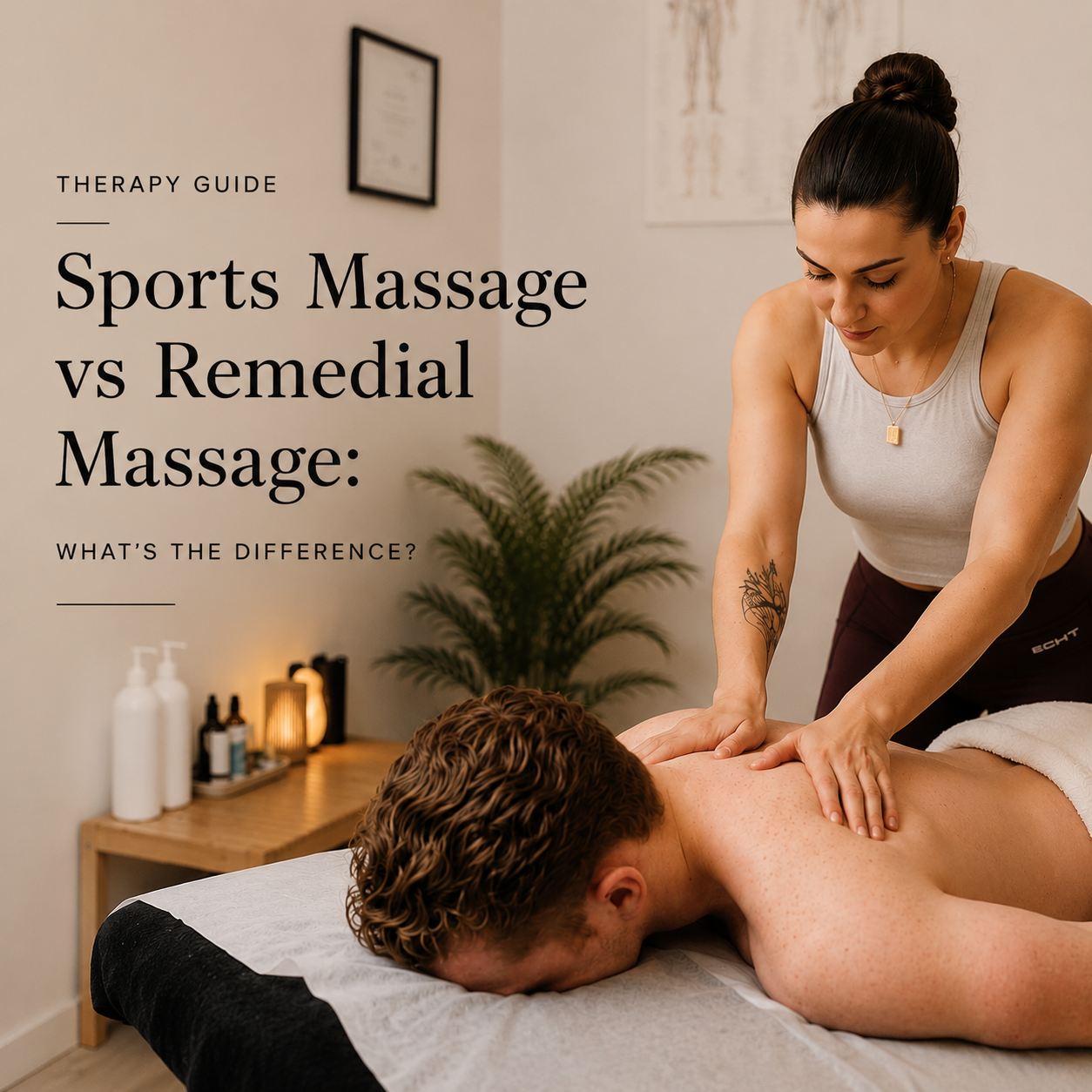
Why Recovery Matters More Than You Think
Recovery Is Not Optional: Why Your Body Needs More Than Just Training
(Benefits of Recovery, Massage Therapy, and Smart Training for Long-Term Health & Fitness)
[Featured Image Here – 1200–1600px wide]
In a world that glorifies doing more, training harder, and pushing through fatigue, recovery is often treated as an afterthought. But without proper recovery, progress stalls, injuries increase, and motivation fades. Whether you train regularly or simply want to move and feel better, understanding recovery is essential for sustainable health, performance, and long-term results.
Why Recovery Is the Missing Link in Most Fitness Routines
Training creates stress on the body — recovery is where adaptation happens. Without enough recovery, muscles don’t rebuild, the nervous system stays overloaded, and pain or tightness becomes chronic rather than temporary.
Common signs you’re under-recovering include:
Persistent muscle soreness
Poor sleep or low energy
Declining performance
Increased stiffness or recurring pain
Feeling “flat” or unmotivated to train
Massage therapy, mobility work, and adequate rest help reset the body, improve circulation, and support both physical and mental recovery. Recovery isn’t about doing less — it’s about allowing your body to respond better to the work you’re already doing.
Practical Ways to Improve Recovery (Without Doing Nothing)
You don’t need ice baths or extreme routines. Small, consistent habits make the biggest difference.
Schedule recovery like training — treat it as non-negotiable
Use massage intentionally, not just when pain appears
Prioritise mobility, especially hips, shoulders, and spine
Stay hydrated to support muscle and tissue health
Sleep well, as this is when true recovery happens
Quick Tips Box:
👉 One massage every 2–4 weeks can significantly improve recovery and movement
👉 5–10 minutes of daily mobility is better than one long session per week
👉 Recovery supports fat loss, strength gains, and mental clarity
The Takeaway — Strong Bodies Are Well-Recovered Bodies
True fitness isn’t just about how hard you train — it’s about how well you recover. When recovery becomes part of your routine, your body moves better, pain decreases, and performance improves naturally. Massage, mobility, and mindful rest allow you to train consistently without burnout, helping you build strength, resilience, and long-term health.
Investing in recovery isn’t a luxury — it’s a foundation for feeling strong, energised, and confident in your body every day.
💆 Book your next massage session at [martinacorradi.com.au](https://martinacorradi.com.au) or contact us at health@martinacorradi.com.au
📱 Follow @_martinacorradi for weekly fitness & wellness tips
Why Massage Is More Than Relaxation
Why Massage Is More Than Relaxation — The Real Benefits for Recovery & Performance
massage for recovery, benefits of massage, sports massage Perth, muscle recovery tips
You may think of massage as a luxury- something reserved for spa days or special occasions. But the truth is, massage therapy is one of the most effective, science-backed tools for speeding recovery, increasing performance, and maintaining long-term physical health. Whether you’re an athlete, a busy professional, or someone struggling with muscle stiffness, a proper massage session by a massage therapist in Potts Point can dramatically improve your Mental and physical health, and overall well-being.
Between intense training sessions, long workdays, and everyday stress, recovery often takes a back seat. Yet it’s recovery that ultimately defines how strong, mobile, and resilient you become. Let’s explore how an expert massage therapist goes far beyond relaxation, supporting your muscles, joints, and mind, and why making it a consistent part of your routine can truly transform the way you move, perform, and live.
Real Benefits of Massage Done by an Expert Therapist
Massage sessions offer a myriad of great benefits for muscle, sleep and well-being - demonstrating that massage is far more than just relaxation. Here are the most significant ones.
1) Massage Helps Your Muscles Recover Faster
One of the most widely studied benefits of massage therapy is its effect on muscle recovery. After exercise or prolonged sitting, your muscles experience microscopic damage, leading to soreness and inflammation. Massage stimulates blood circulation, delivering oxygen and nutrients that repair muscle fibres while flushing out lactic acid and metabolic waste.
Research backs this up:
i) A study published in the Journal of Athletic Training found that post-exercise massage significantly reduced Delayed Onset Muscle Soreness (DOMS) by up to 30%.
ii) Another review in the British Journal of Sports Medicine concluded that massage accelerates recovery and reduces fatigue in athletes.
What this means for you:
i) You can return to training or daily activities with less pain and stiffness.
ii) Regular massage helps prevent overuse injuries by keeping muscles supple and well-nourished.
iii) It complements other recovery strategies like stretching, foam rolling, and proper nutrition.
Pro tip: Schedule a sports or remedial massage after intense workouts or high-stress weeks to help your muscles bounce back faster.
2) Massage Improves Mobility and Flexibility
Tight muscles and restricted joints can limit your range of motion - and over time, that affects how you move, perform, and even sit. A massage therapist works by releasing tension in the fascia (the connective tissue surrounding muscles), helping joints move more freely and muscles contract efficiently.
Here’s how massage supports mobility:
i) Breaks down adhesions in soft tissue, improving muscle elasticity.
ii) Increases synovial fluid flow around joints, reducing stiffness.
iii) Improves posture by relaxing tight muscle groups and balancing body alignment.
When combined with stretching or mobility exercises, the results are even better. You’ll notice smoother movement patterns, improved performance during workouts, and reduced risk of injury - especially for people who lift weights, run, or sit for long periods.
3) Massage Reduces Stress and Improves Sleep
Beyond the physical benefits, a massage therapist in Potts Point plays a major role in mental recovery. It activates the parasympathetic nervous system - your body’s ‘Rest and Digest’ mode - which lowers heart rate, blood pressure, and stress hormone levels.
Studies have shown:
i) Massage therapy can reduce cortisol (the stress hormone) by up to 31%.
ii) It boosts serotonin and dopamine, chemicals that promote happiness and calmness.
Better relaxation leads to deeper, more restorative sleep, which is essential for muscle repair and hormonal balance. People who receive messages from a certified therapist often report fewer headaches, better concentration, and a greater sense of emotional well-being.
When to Book a Good Massage Session?
Knowing when to schedule a massage can make all the difference in your recovery and performance. This is because timing directly affects how your body responds and recovers.
Ideal times to book:
(i) After intense training weeks or competitions
(ii) During recovery or deload phases
(iii) When experiencing chronic stiffness or poor sleep
(iv) Before important events or long travel periods
Moral of the story- listen to your body: If you feel persistent tension, fatigue, or sluggish performance, it’s likely time for a professional tune-up.
Quick Massage Tips for Maximum Benefit
Here are some quick massage tips for maximising the benefits of every session. Treat these as essential health habits, not casual suggestions. By following them consistently, you’ll enhance circulation, relieve tension, and boost overall well-being in ways that you had never imagined. Stay committed- these simple practices can one day make you feel healthier, calmer, and happier than ever before. See below.
Book every 2–3 weeks for consistent, long-term benefits
Hydrate before and after to aid muscle detox and recovery
Combine with stretching or mobility work to maintain flexibility
Choose the right type: Sports massage for athletes, relaxation massage for stress relief
Communicate with your therapist about pressure levels and problem areas
Each session can turn a massage from a ‘treat’ into a powerful recovery tool.
So, you should not compromise the fact that your body performs optimally when recovery becomes part of your lifestyle, not an afterthought. Massage isn’t just about relaxation- it’s a proven investment in your physical and mental performance. From faster recovery and better flexibility to stress reduction and improved sleep, the benefits of an expert massage therapist go far beyond the massage table.
The Final Talks
Last but not least, healthy muscles mean better posture, movement and overall well-being. That’s why, a quality massage therapist in Darlinghurst can boost your performance, recovery, and overall well-being. Just experience the difference with the best in the town therapist Martina Corradi at Martina Health & Fitness. Whether you’re chasing the best of your fitness or simply want to live a pain-free life, we can give your body the best care it deserves.
Contact us soon at +61 413 610 083 or health@martinacorradi.com.au and discover how recovery can elevate your performance. You can also visit martinacorradi.com.au and please follow @_martinacorradi on Instagram for weekly wellness and recovery tips. Stay fit and be happy!